See music, hear colour. Some twenty canvases by Eunju Park, a synesthete painter and cellist : each bears the name of a musical work, each is a key.
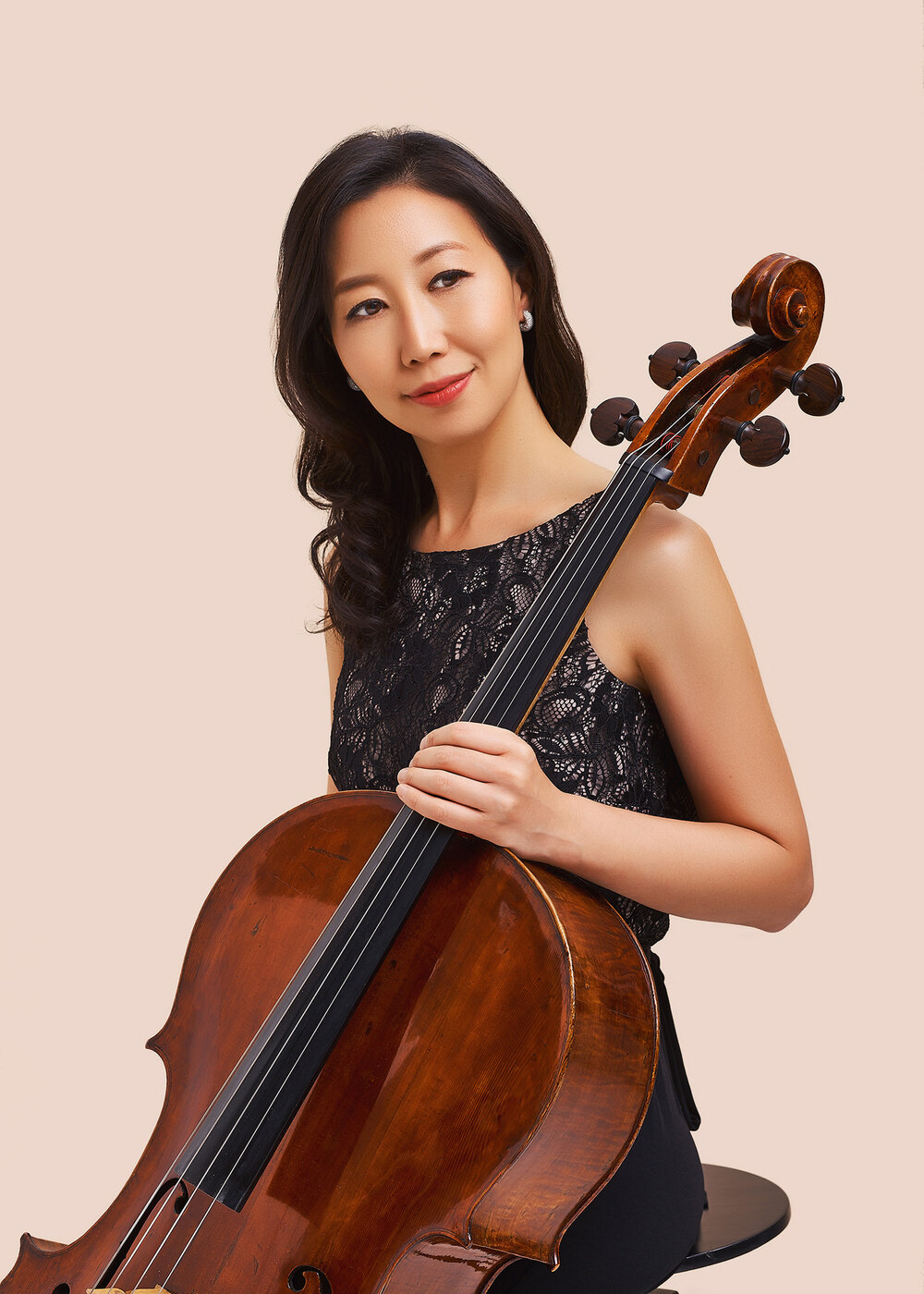
Excelling in two disciplines that are at once passions and needs of our humanity is a rare blessing. This is what Eunju Park achieves, weaving together her career as a musician and as a painter.
Born in the heart of Seoul, she has lived and studied in South Korea, Canada and France. From an early age she stood out on the cello ; after the prestigious Yewon School and Seoul Arts High School, she trained for some ten years in Paris under masters such as Mstislav Rostropovich, Xavier Gagnepain, Philippe Muller, Florian Lauridon and the Ysaÿe Quartet.
Winner of first prize at the Turin International Competition and first prize at the Paris Chamber Music Competition, she joined the Seoul Philharmonic Orchestra in 2005 and founded the Gaïa Quartet. She performs as a soloist and in chamber music alongside Myung-whun Chung, Emmanuel Pahud, Jonathan Fournel, the Ysaÿe Quartet, Patrick Zygmanowski, Frédéric Moreau, and with Les Violons de France.
But her singularity lies in a rare gift : a synesthete, polyglot and ambidextrous, she sees music in colours and grasps its syntax. Her painting does not represent sound : it makes it visible.
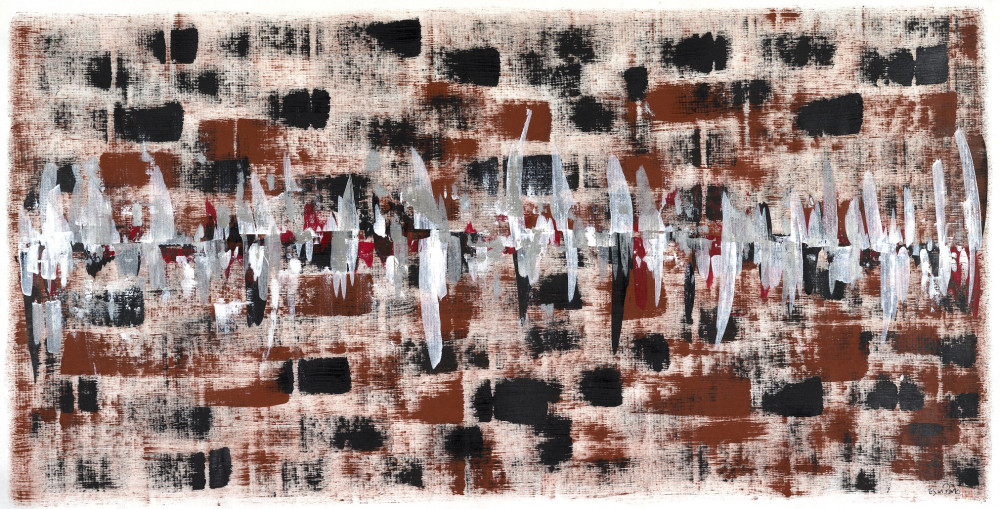
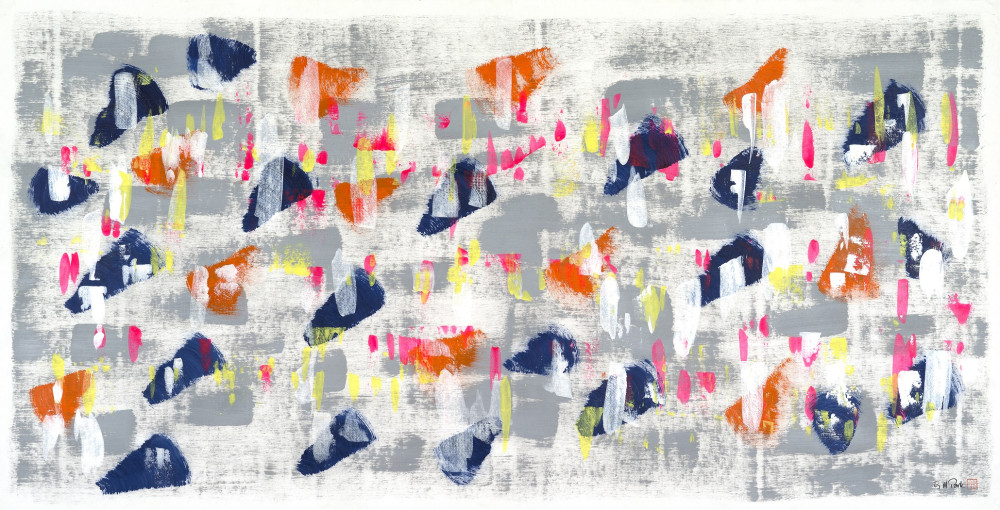
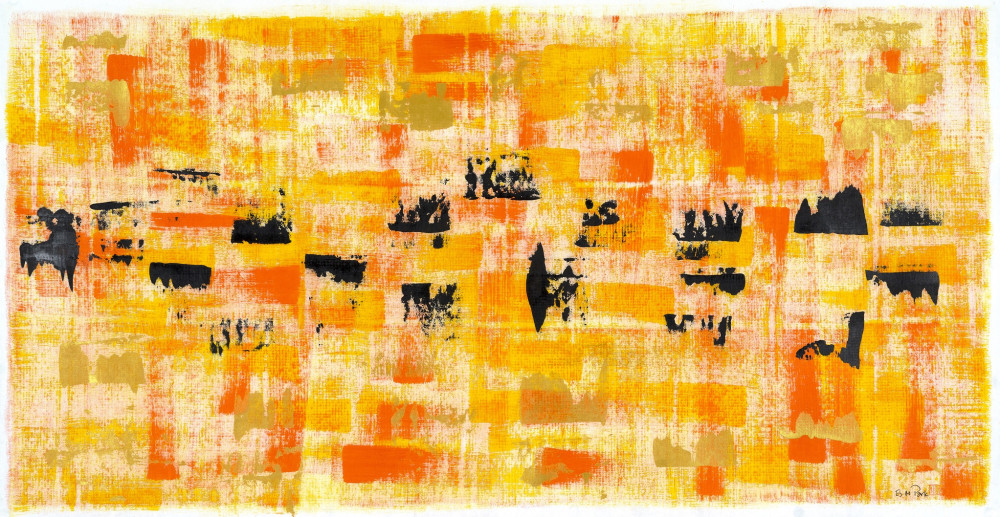
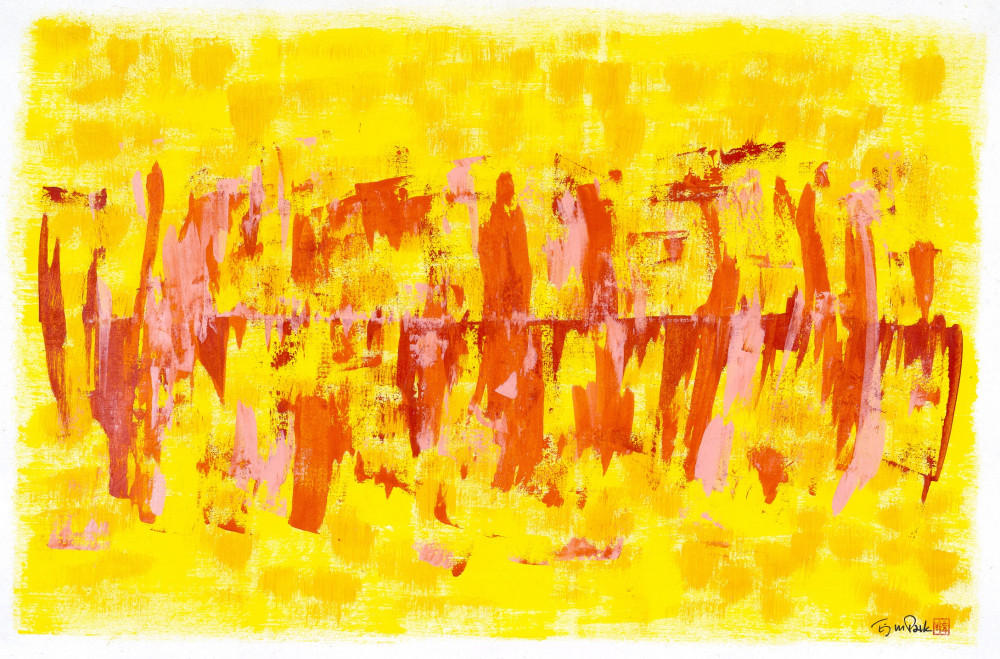
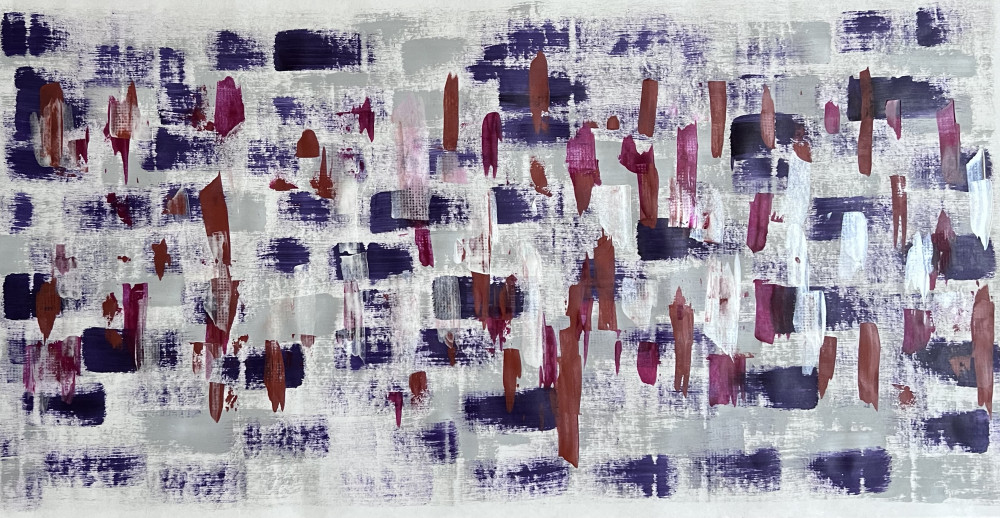
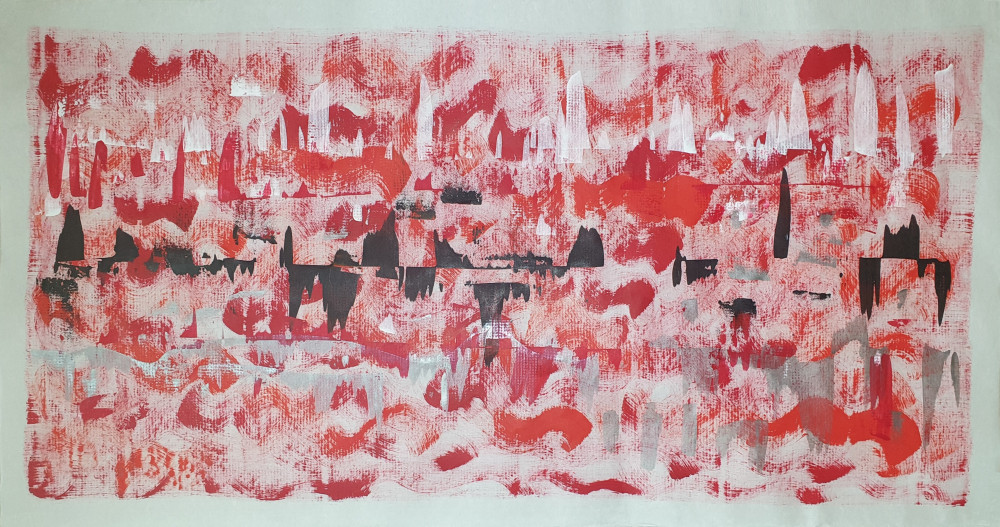
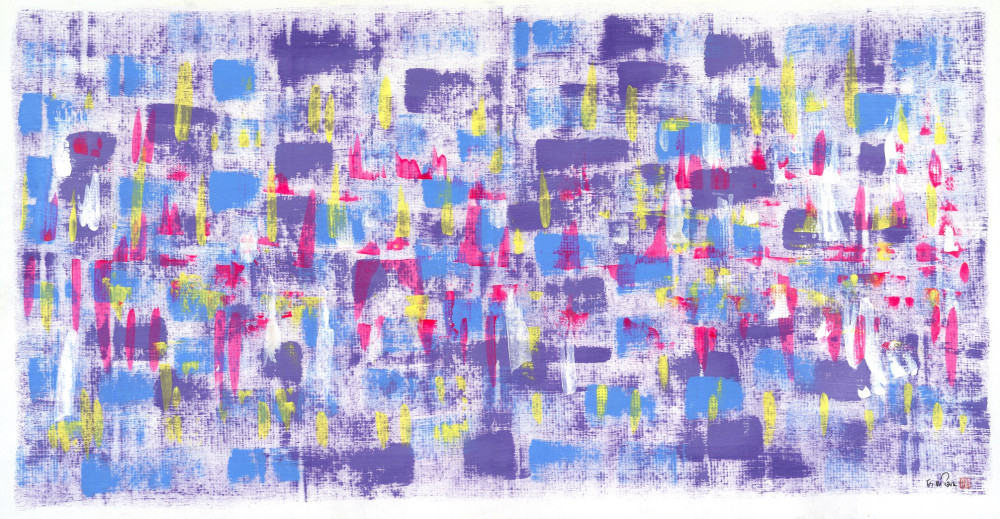
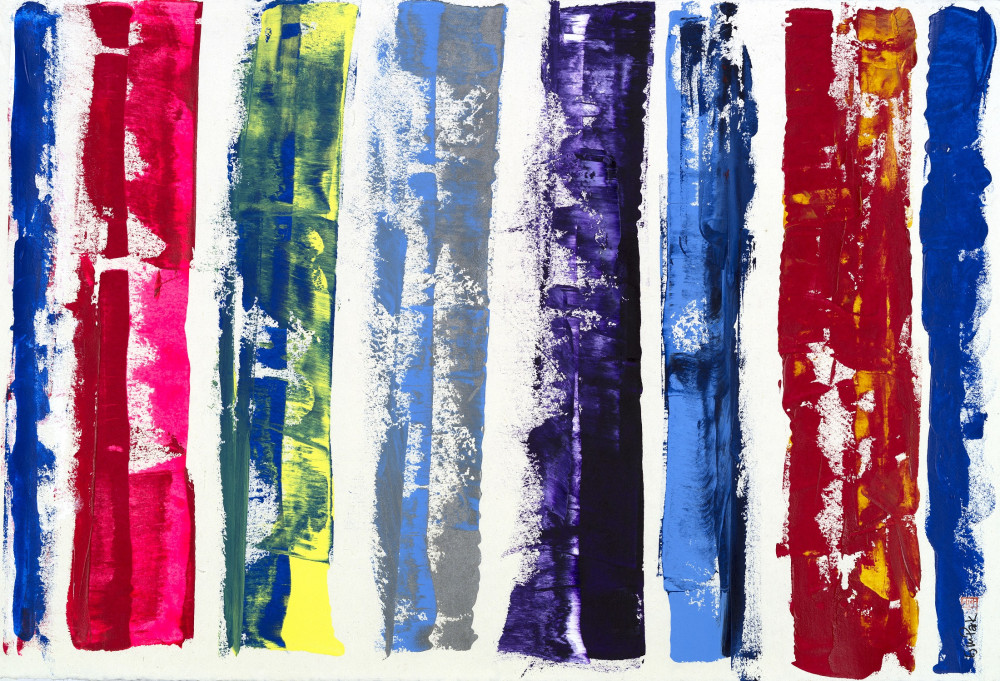
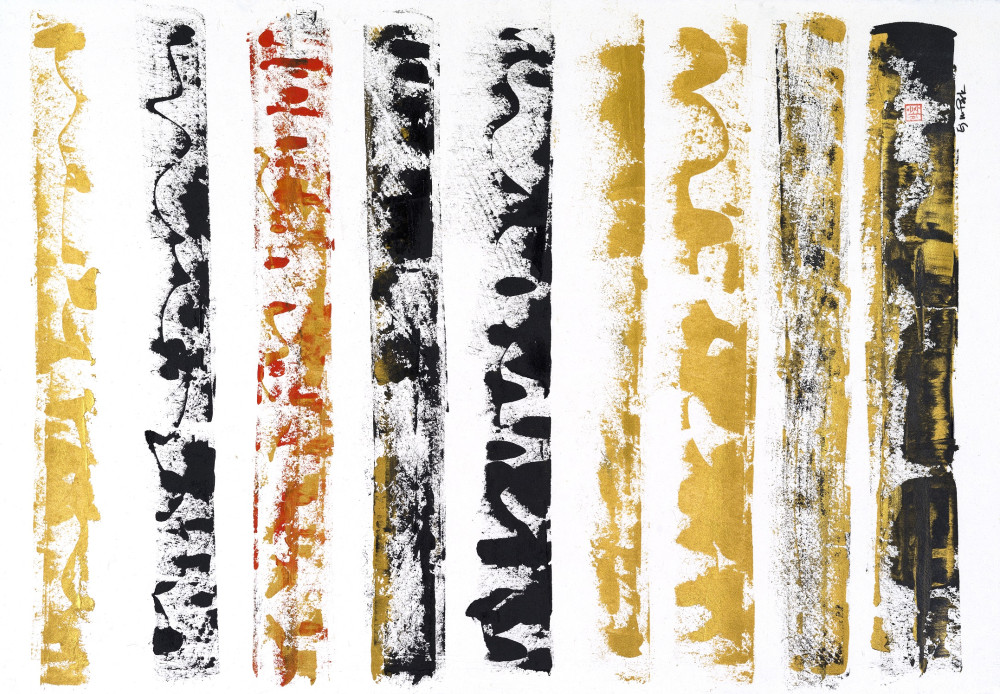
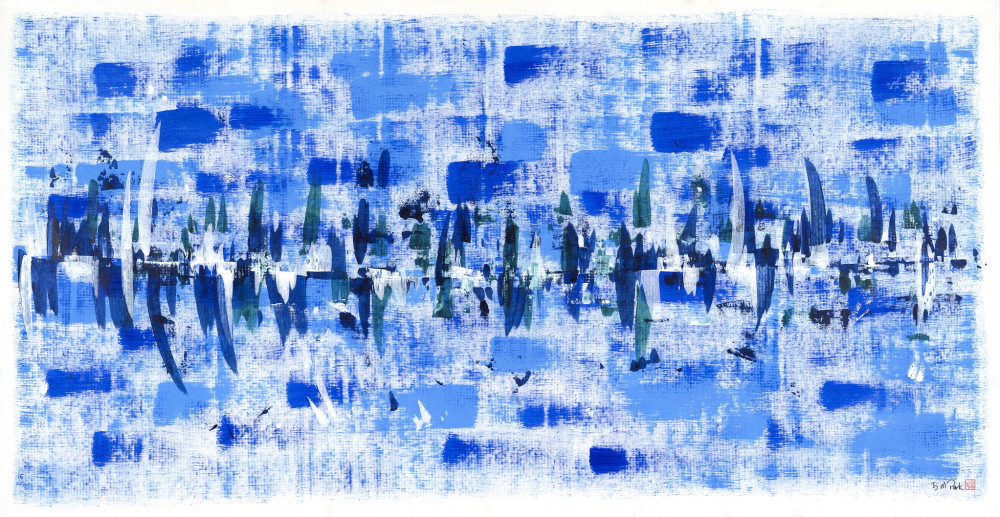
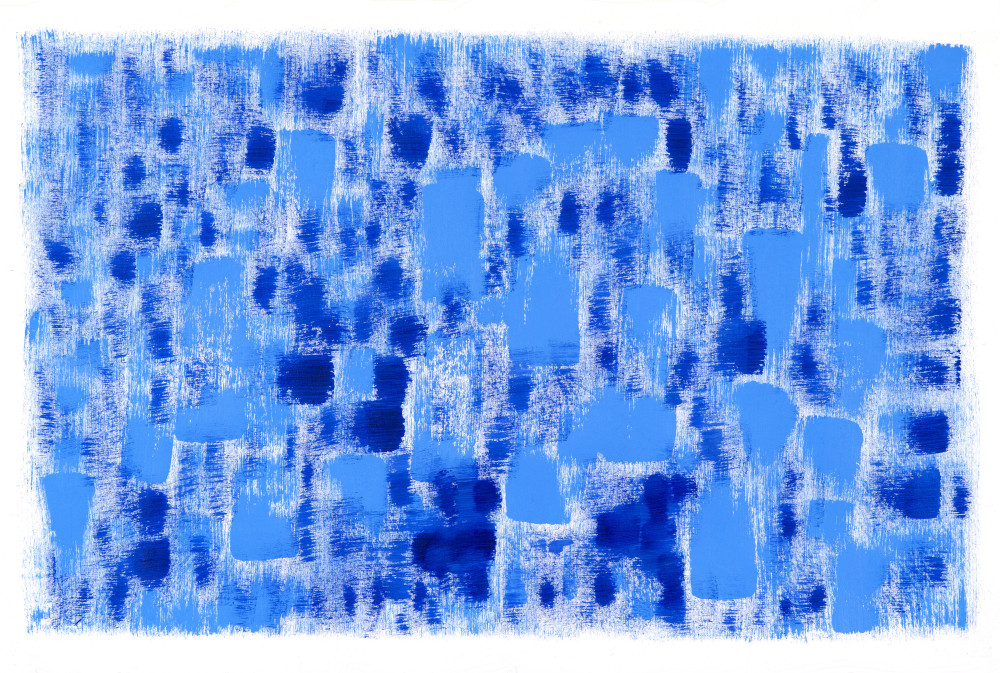
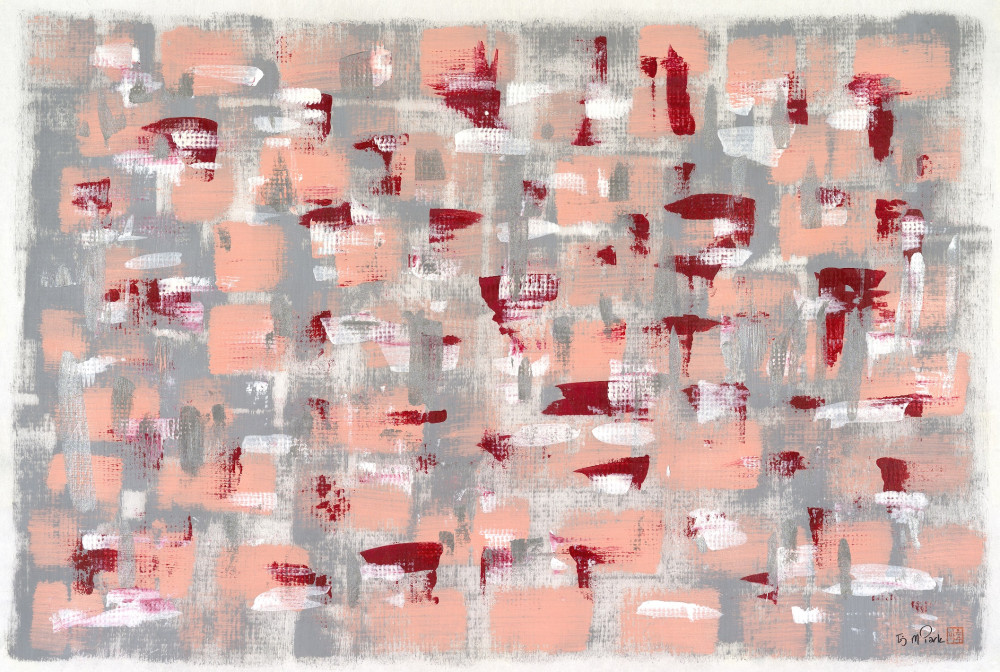
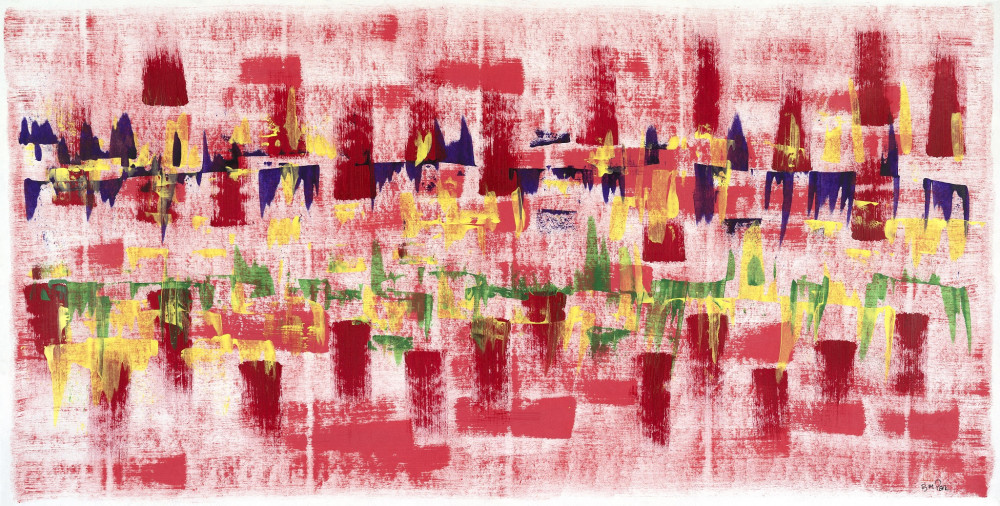
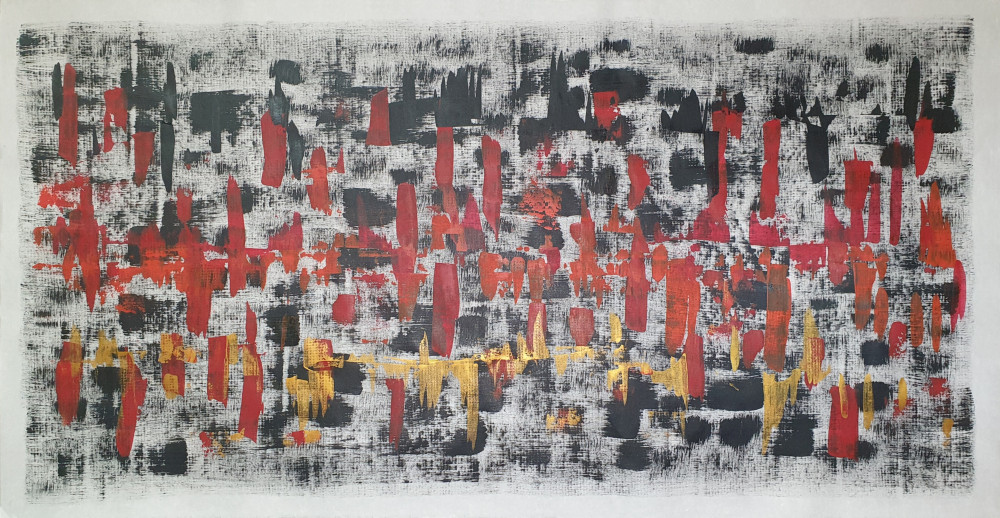
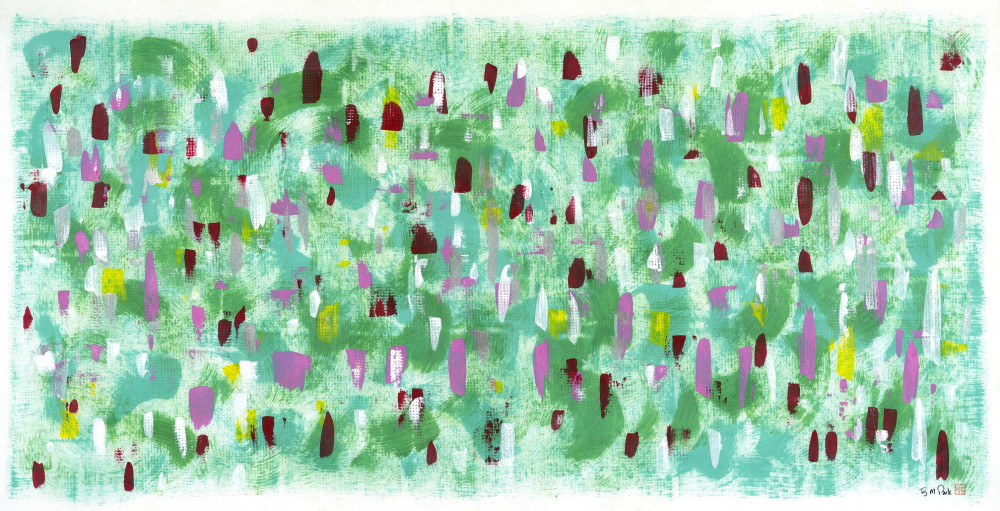
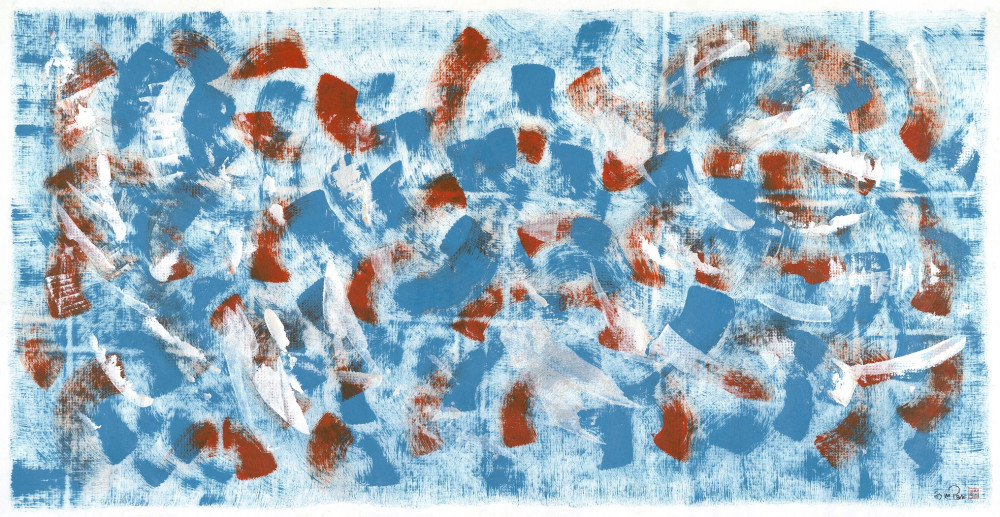
For Eunju Park, a colour has a pitch, a texture a timbre, a gesture a tempo. She listens to a work, then transcribes it : strokes aligned like notes, each painting in its own key. The titles say it — Boléro, Campanella, Moldau, Coppélia, Choral — so many scores turned into painting.
“ Music, that sublime abstraction, becomes visible and tangible under my brushes. To capture sonic emotion through colour : this is my language, there where words fall short. ”
From 1906, Ravel dreamed of an “ apotheosis of the waltz ” in homage to Johann Strauss. The Great War turned the project into a “ fantastic and fatal whirl ”, mirroring the grandeur and decadence of a world. “ Ravel, it is a masterpiece, but it is not a ballet. It is the painting of a ballet ”, Diaghilev would say — a phrase that, here, becomes literal.
Going deaf, Smetana composed this symphonic poem in 1874, following the Vltava from its source to Prague, through forests, village weddings and rapids. A pictorial description in music, which the canvas returns to colour : “ two springs gush in the shade of the forest ; the river grows, crosses Bohemia and sings in an ever-fuller murmur. ”
The most charismatic of virtuosos made the little bell (“ la campanella ”) the glittering motif of the finale of his second concerto. Liszt drew from it one of his most fearsome études ; two centuries later, the group Blackpink still quotes it in “ Shut Down ”. A living heritage, here caught in shards of gold and fire.
A vault of greens and filtered light, like the crown of a forest crossed by song. The canvas breathes : watch it while the music inhabits it, and the border between seeing and hearing dissolves.
Each canvas, acrylic on canvas, bears the name of the music that gave birth to it. A stroll through the score.


“ See music, hear colour. ”