The giant that counted
its profits before earning them
On 2 December 2001, the American energy group Enron filed for bankruptcy protection. Six times crowned "America's most innovative company" by Fortune magazine, it had been treating future profits as though they were already in the bank.
An empire built on earnings not yet made
Born in 1985 from the merger of two gas companies, Enron grew in fifteen years into one of the most highly valued energy traders in the United States; its stock climbed to $90.75 in August 2000. To show uninterrupted growth, chief executive Jeffrey Skilling extended mark-to-market accounting across the whole group: each long-term energy contract had booked, the moment it was signed, the entire profit it was expected to yield over years, as though it had already been collected.
To keep the matching debt off the balance sheet, chief financial officer Andrew Fastow multiplied special purpose entities, several hundred of them by 2001, including the infamous "Raptors," which absorbed over a billion dollars in assets. The edifice collapsed in the autumn: the stock fell from $90 to a few cents within weeks, and on 2 December 2001 Enron filed for Chapter 11 in New York. With $63.4 billion in assets, it was then the largest corporate bankruptcy in US history.
The irony has a name: Fortune magazine had crowned Enron "America's most innovative company" six years running, from 1996 to 2001, the last award coming only months before the bankruptcy filing.
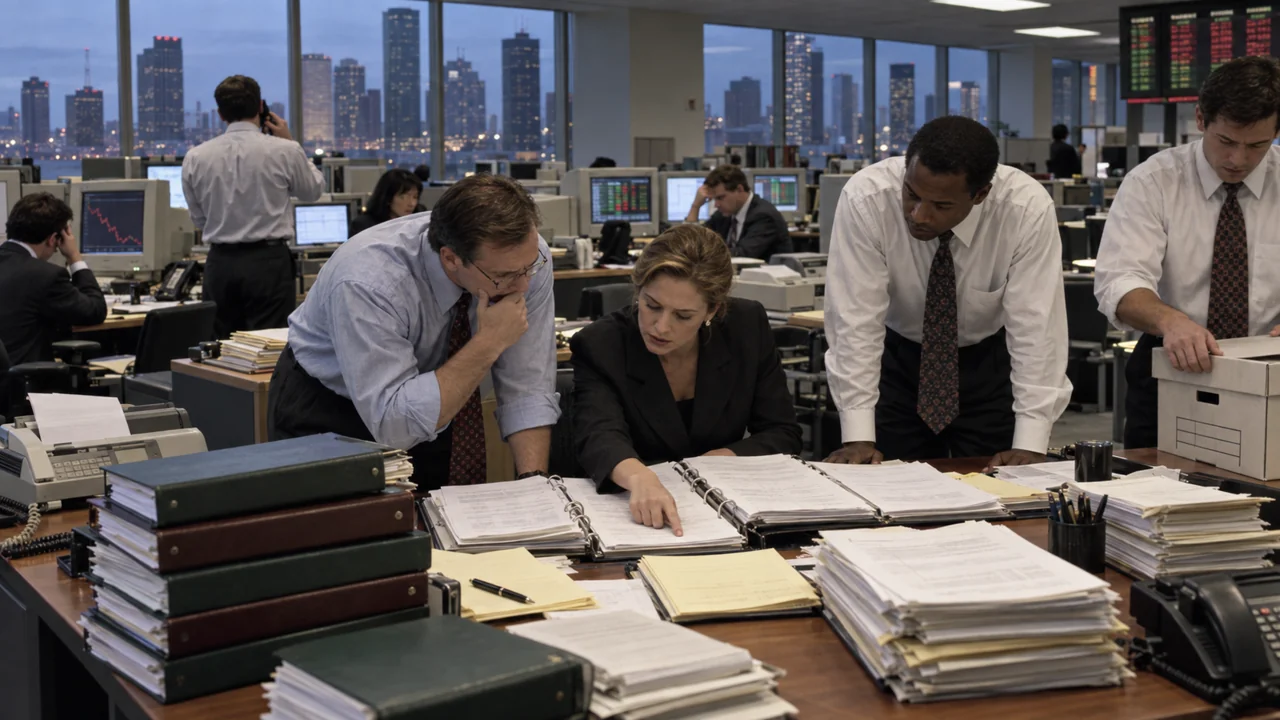
An accounting profit is not cash in hand
The affair draws a rare, clear line between two things often confused: profit recorded in the books and money actually received. Enron could show growing results while its cash was draining away, because its profits rested on anticipation, not on payments in hand. Arthur Andersen, the firm entrusted with certifying those accounts, was found guilty of destroying documents in June 2002: its collapse would cost some 85,000 jobs worldwide, proof that an auditor who loses its independence puts far more than one client at risk.
Congress drew a law from it, the Sarbanes-Oxley Act, signed on 30 July 2002: it created a watchdog for auditors, the PCAOB, and required every chief executive and chief financial officer to personally certify, under criminal liability, the accuracy of the accounts they sign. A quarter century later, the vigilance has not eased.
A profit that exists only on paper always ends up meeting the cash register.