The pollution that
became a commodity
On 15 November 1990 the United States signed a law requiring power plants to cut their sulfur dioxide emissions, a leading cause of acid rain. Its novelty lay in the method: the state sets the total, then lets companies trade the right to emit.
A cap, permits, a market
Acid rain, caused largely by sulfur dioxide from coal-fired plants, was damaging forests and lakes across North America. The Clean Air Act Amendments (Public Law 101-549), signed on 15 November 1990, set a goal of a permanent 10-million-ton cut in emissions from 1980 levels.
Rather than impose a technology on every plant, the law handed out permits: one allowance authorizes the emission of one ton of sulfur dioxide. Phase I began on 1 January 1995 for 110 plants; Phase II, on 1 January 2000, extended the scheme to about 2,000 units under a national cap of 8.95 million tons. A plant that cut more than required sold its spare permits; one that struggled bought some. Anyone emitting without a permit paid $2,000 per ton and had to offset the excess the following year.
The idea came from economists. In 1968 the Canadian economist John Dales published Pollution, Property and Prices, proposing tradable emission rights: air, until then free, becomes a good that is measured, allocated and exchanged. From 1993 the federal environmental agency auctioned 250,000 permits a year, on the last Monday of March.
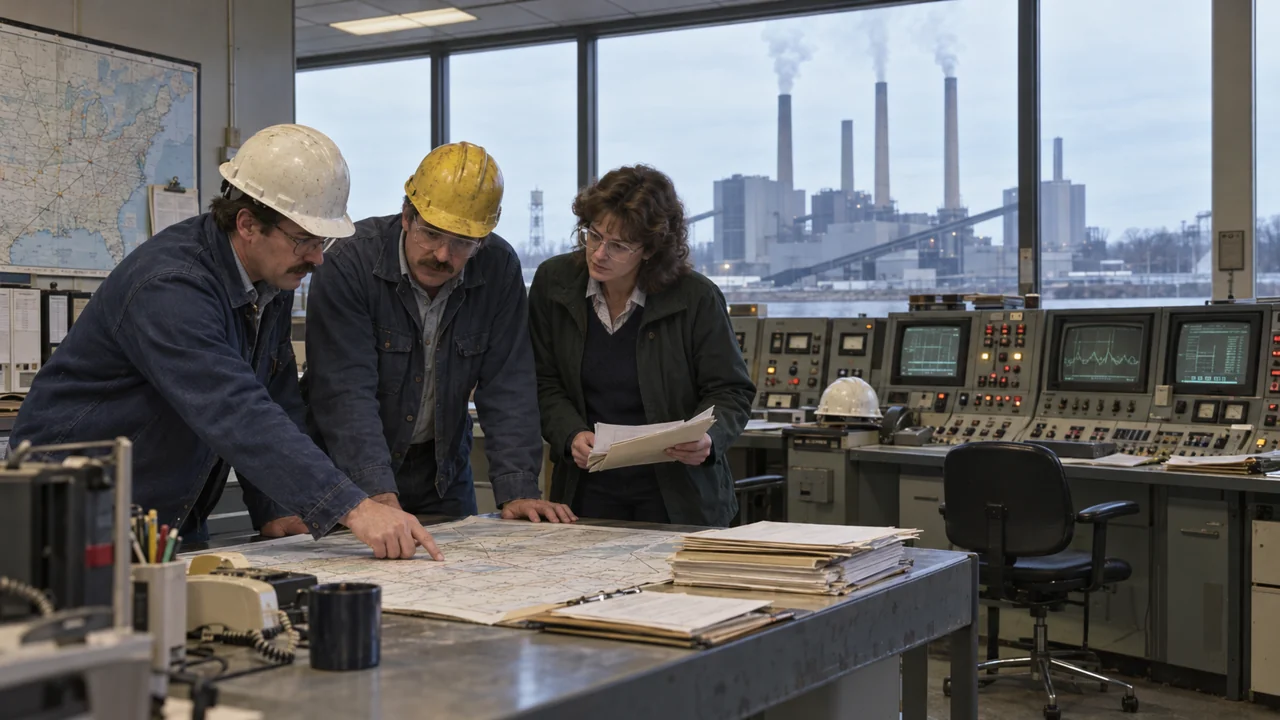
Set the total, let the price decide the rest
The result surprised by its speed: the target set for 2010, a halving of emissions from 1980 levels, was reached by 2007. Studies, including that of Carlson and his co-authors (2000), found the cost considerably lower than a regulation imposing the same techniques on everyone.
The mechanism separates two decisions. The total quantity is political: that is the cap. The price emerges from trading and shows where cutting costs least. One limit remains: a national cap does not say where the emissions come down. The program nonetheless inspired the European emissions trading system, and the same question arises for any market in a common good: who sets the cap, and by what criteria?
Setting the quantity is a political choice; finding the price is the market's business.